Implement Restorative PBIS® Across Your District
A structured, multi-year approach to train staff, align schools, and build lasting behavior systems.
Led by Laura Mooiman, creator of Restorative PBIS®, this approach gives districts a clear, practical way to align PBIS, restorative practices, staff training, supervision, and behavior support across classrooms, campuses, and departments.

A Practical 3-Year District Rollout
Districts don’t need another initiative.
They need a plan for training, implementation, and sustainability.
Most districts implement Restorative PBIS® over multiple years so the work can be introduced, practiced, refined, and sustained across schools.
YEAR 1
Train & Align
Train staff, establish expectations, and build shared language across schools.
YEAR 2
Deepen & Expand
Onboard new staff and deepen restorative skills for conflict, harm, re-entry, and targeted behavior support.
YEAR 3
Sustain & Embed
Build internal capacity through advanced training, onboarding, data, and leadership routines.
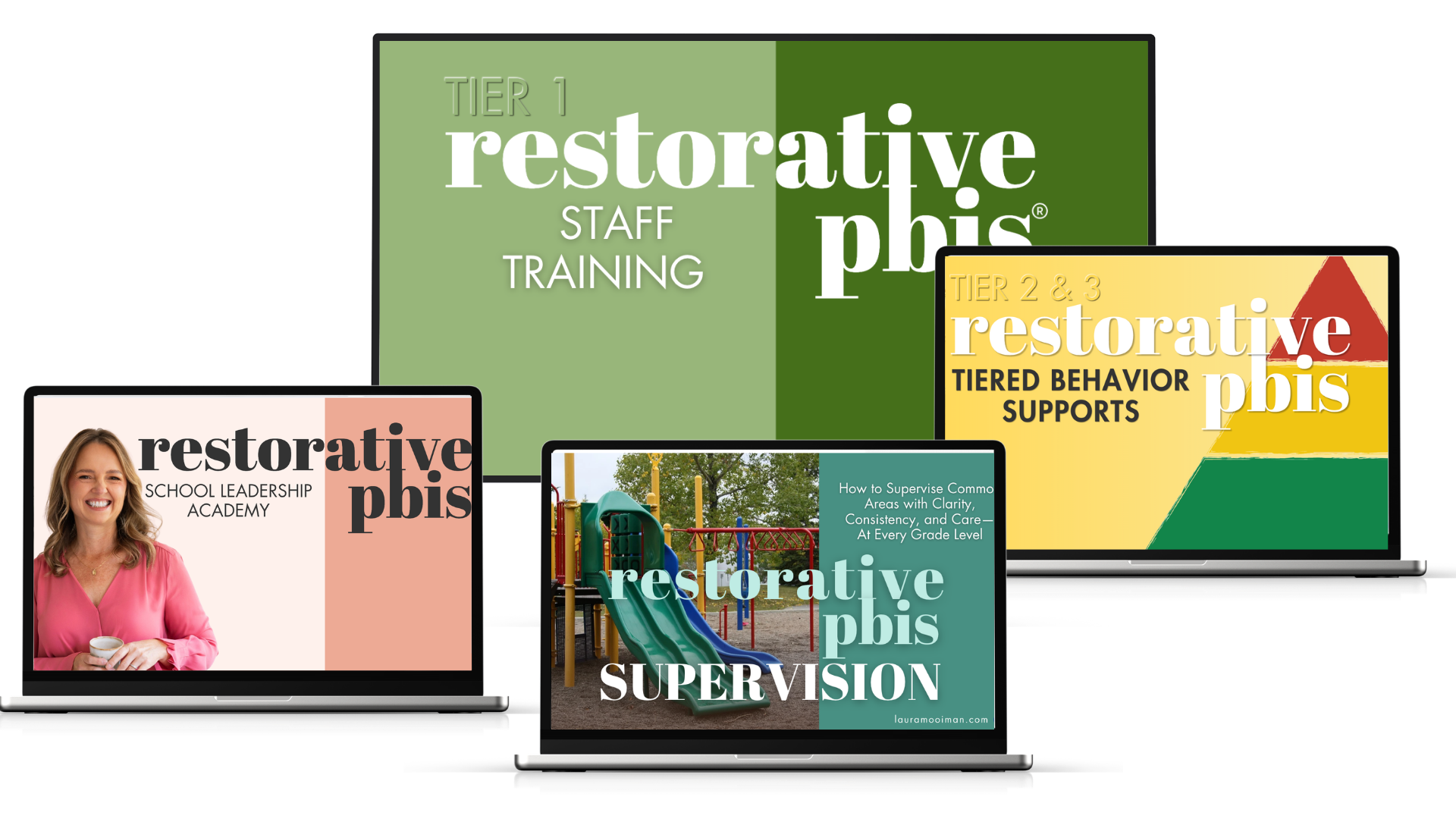
The Restorative PBIS® Schoolwide Training
Program + District Support
The Restorative PBIS® Schoolwide Training Program gives your district a clear, practical way to train staff consistently across schools — with Laura’s support to help leaders plan, launch, and sustain implementation.
- Train all staff using a consistent approach
- Align PBIS and restorative practices into one system
- Fit training into existing staff meetings and professional learning
- Build consistency across schools and classrooms
- Support both everyday behavior and more intensive student needs
- Onboard new staff consistently over time
Need more hands-on support?
Onsite professional learning, coaching, and customized implementation support can be added to your district partnership.
DISTRICTWIDE SUPPORT INCLUDES
→ PLAN
Private district implementation planning session
→ COACH
District leader & coach access + monthly Implementation Q&As
→ PRACTICE
Quarterly Restorative Skills Labs
→ REVIEW
Private district progress & planning session
But don't just take my word for it....

Maite Iturri
Superintendent, Cotati-Rohnert Park Unified School District
Laura helped our district build a shared understanding of restorative practices and how they connect with PBIS. Instead of each school doing something different, we now have a clearer, more consistent approach to supporting student behavior.
Janet Handley
Assistant Superintendent, Oroville Elementary School District
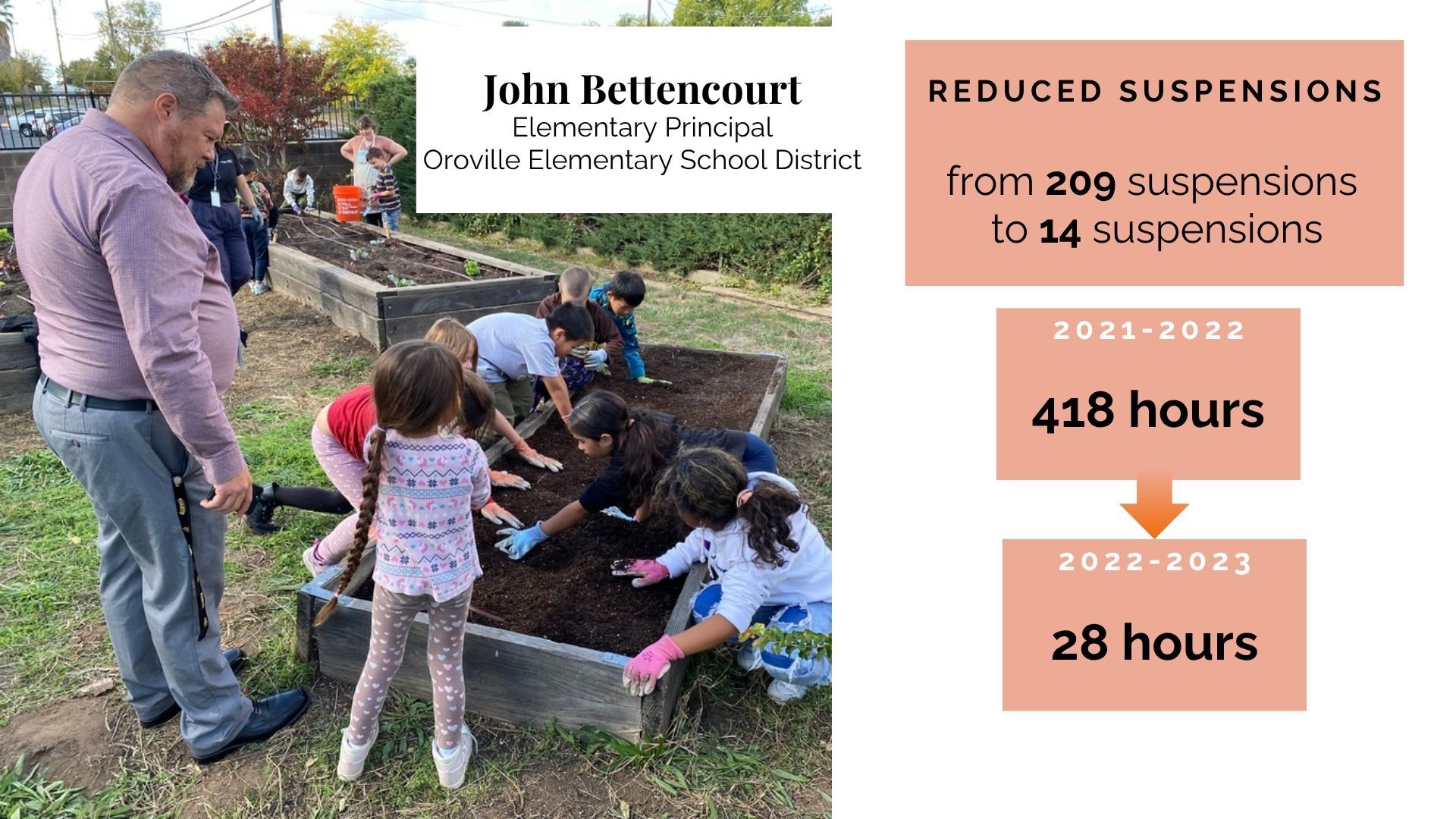
After implementing Restorative PBIS with Laura’s support, our district saw a 67% reduction in suspensions. More importantly, our staff now have clear tools for responding to behavior while keeping students connected to school.
Most districts are not lacking initiatives. They are struggling with consistency.
- Schools may already be using PBIS.
- They may already value restorative practices.
-
They may already have strong leaders, committed staff, and important behavior support efforts in place.
But without a clear system to train staff and align implementation… schools often end up with:
- different approaches across campuses
- inconsistent responses to behavior
- unclear expectations for staff and students
- new initiatives that do not fully take hold
In Detail
The 3 Year District Rollout
YEAR 1:
Train Staff & Build the Foundation
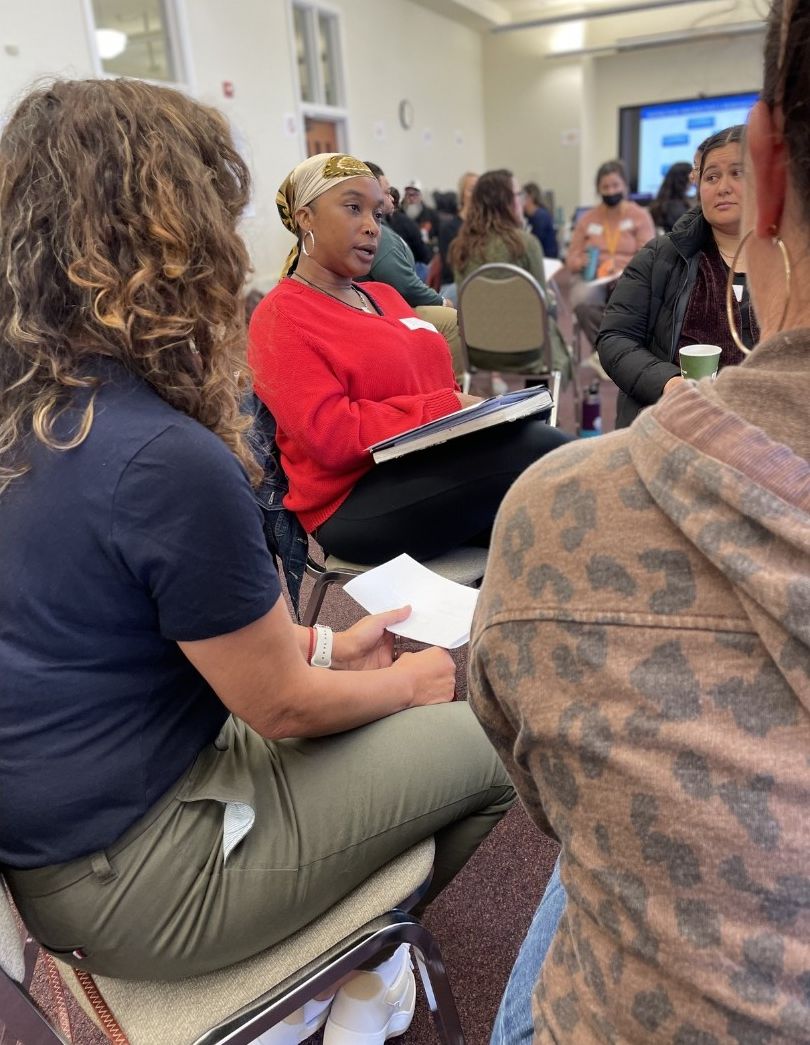
Build a common foundation across schools. Train staff, establish consistent expectations, and begin implementation through existing staff meetings and leadership teams:
- Train all staff using the Schoolwide Training Program
- Establish shared expectations and consistent responses to behavior
- Build common language across schools and classrooms
- Begin implementation with leadership team support
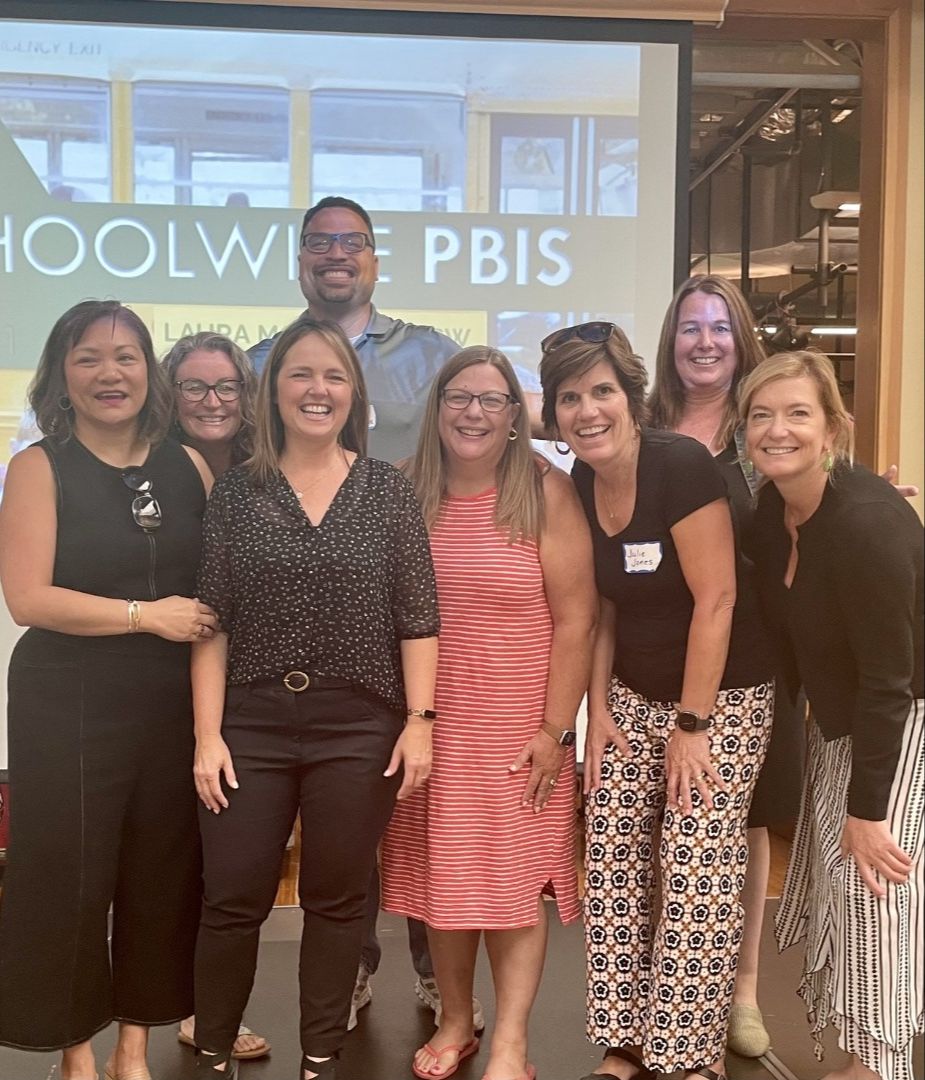
Year 1 On-Site Launch Support
- In person Leadership team training
- Live Supervision and discipline training with Laura
- In person school site coaching and observation
YEAR 2:
Deepen Practice & Expand Support
Strengthen consistency and build internal capacity. Use training modules to onboard new staff, reinforce Tier 1 practices, and expand support for students with greater needs:
- Onboard new staff consistently
- Reinforce Tier 1 practices across schools
- Strengthen leadership implementation routines
- Expand targeted and intensive behavior supports
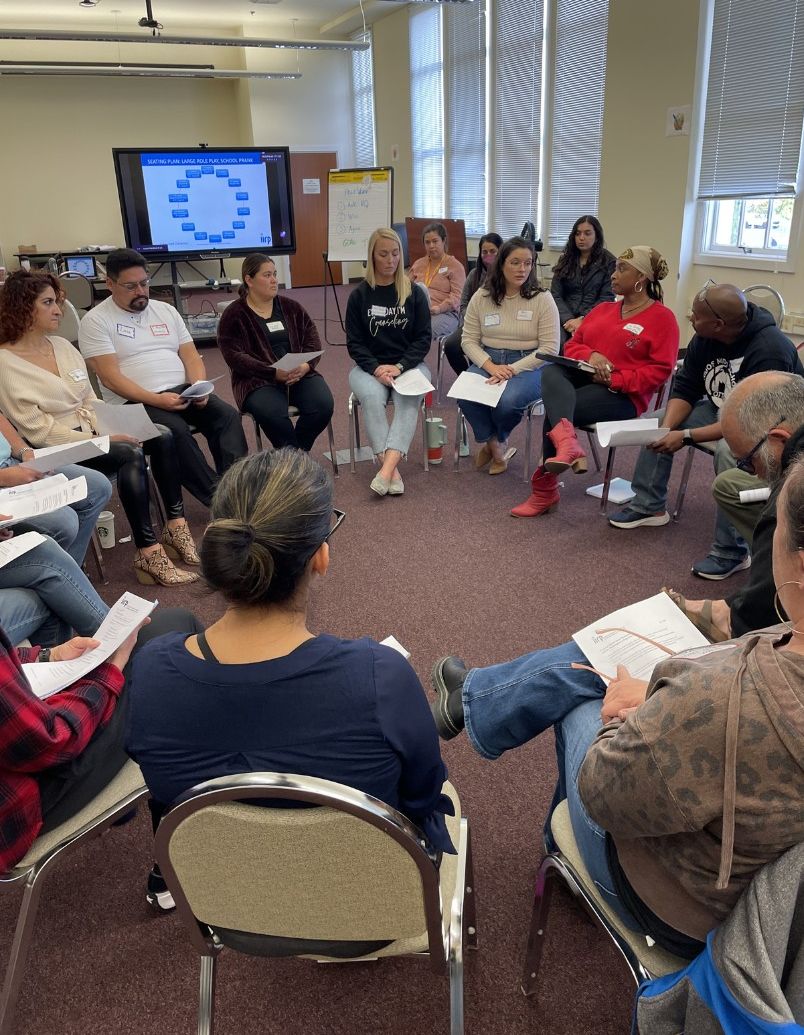
Year 2 In Person Deepening Practice Support
- IIRP-certified trainings* in person with Laura for foundational & advanced restorative practices skills
- Laura school site coaching visits
YEAR 3:
Sustain & Embed Systems
Make the work last. Use data, leadership routines, and internal capacity-building to maintain alignment across schools over time:
- Build internal leadership capacity
- Use data to refine implementation
- Maintain consistent onboarding for new staff
- Sustain alignment across schools and departments
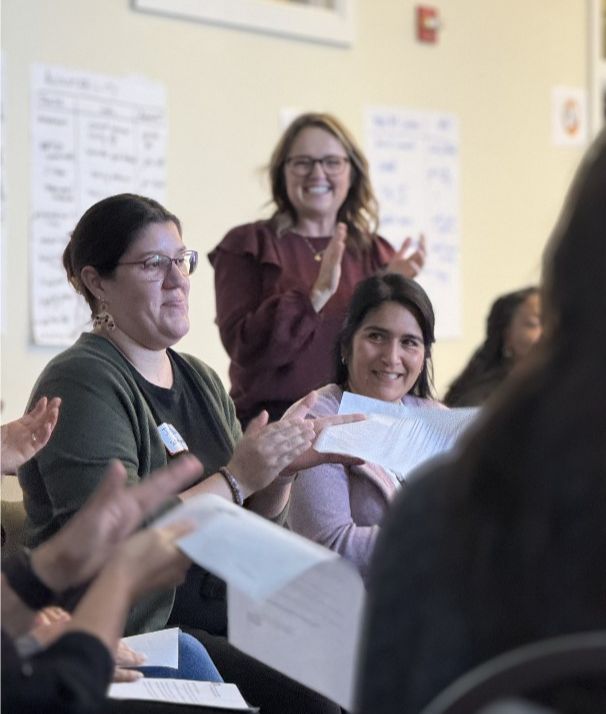
Year 3 On-site Sustaining Support
- IIRP-certified trainings* in person with Laura for foundational & advanced restorative practices skills
- Laura school site coaching visits
*Optional IIRP Advanced Training to Build Internal Capacity
As your district deepens implementation, Laura can provide advanced restorative practices training to help staff confidently use restorative approaches in real school situations — including classroom challenges, conflict, harm, accountability, and re-entry.
Build Internal Capacity
Over time, districts can use these trainings as a pathway toward developing their own internal trainers through IIRP’s Training of Trainers process.
This helps districts sustain the work, onboard new staff, and reduce reliance on outside training.
Laura Mooiman is a certified IIRP trainer authorized to deliver these trainings. She is not employed by IIRP.
Restorative Practices for Educators
Build the relational and restorative skills teachers and staff need for daily classroom practice.
For: ALL Teachers, staff, and administrators
Includes: Official IIRP certificate of completion + 12 hours of professional learning
Restorative Practices for Educators
Participants learn how to:
- build strong relationships and classroom community
- set high expectations while remaining supportive
- use restorative questions to guide student accountability
- facilitate circles that build trust and connection
- respond to conflict in ways that repair harm
Restorative Conferencing
Advanced Training
Prepare leaders and support staff to respond to more serious incidents using structured restorative processes.
For: Administrators, counselors, deans, and student support staff
Includes: Official IIRP certificate of completion + 12 hours of professional learning
Restorative Conferencing (Advanced)
Participants learn how to:
- facilitate formal restorative conferences
- guide students and families through accountability and repair
- rebuild relationships after conflict or harm
- support all voices involved in a situation
Proven in District Implementation
This approach is grounded in real district implementation, including:
- 75% reduction in suspensions
- 99% reduction in expulsions
- Among the highest school climate scores in California
Restorative PBIS® is now used by schools across the U.S., Canada, Australia, New Zealand, and international school communities to support:
- improved student behavior
- stronger relationships
- consistent systems across staff
- calmer, more connected school cultures
Restorative PBIS® School Recognition
Calm. Connected. Consistent.
Schools implementing the program with fidelity may be eligible to be recognized as Restorative PBIS® Schools.
Restorative PBIS® Schools
- Digital badge for websites and communication
- Certificate of recognition
This reflects a school culture where expectations are clear, relationships are strong, and students and staff feel a genuine sense of belonging—supported by consistent, skillful responses to behavior.

District Investment
District partnerships are structured as an annual, per-school investment, with customized estimates available for multi-school and multi-year implementation plans.

Build a system your schools can actually implement.
This is not about launching another initiative.
It is about helping your schools train staff, align practices, respond to behavior consistently, and sustain the work over time.